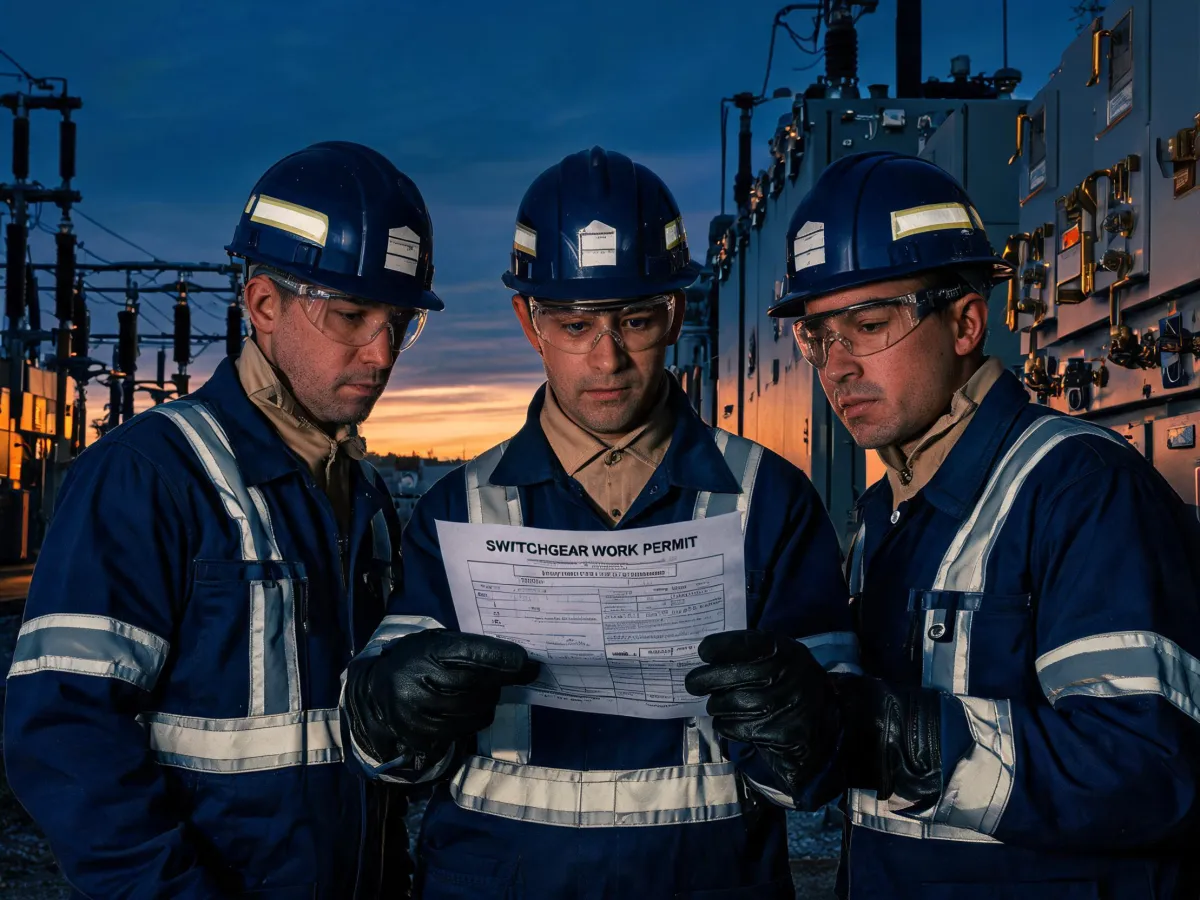
OSHA 1910 Guidance
ANSI/ISEA 107 Class 2/3
NFPA 2112
NFPA 70E ATPV
ASTM F1506
Specify by hazard
Each category connects garment construction, visibility class, flame resistance, and documentation needs so buyers can compare options without flattening every job into one SKU.

Class 2 or Class 3 visibility with FR shells, storm flaps, and pocket layouts for utility and roadway crews.
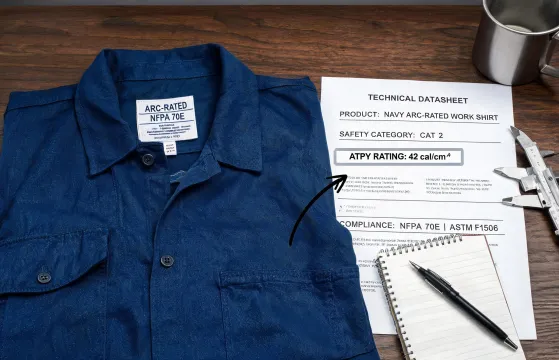
Daily wear options reviewed against NFPA 70E categories, ATPV values, and laundering expectations.

One-piece coverage for refinery, maintenance, and fleet operations where garment gap control matters.
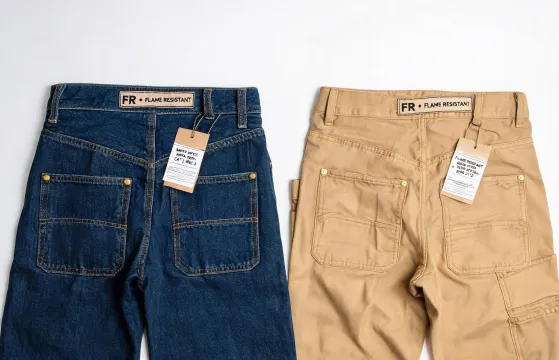
Comfort cuts, utility pockets, and fabric weights for programs balancing compliance and daily wear rates.
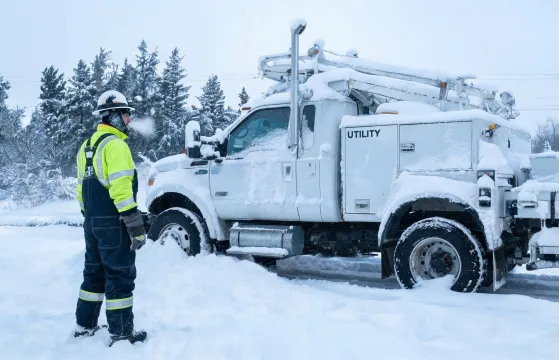
Layering plans for cold environments where thermal insulation must not disrupt arc-rated coverage.
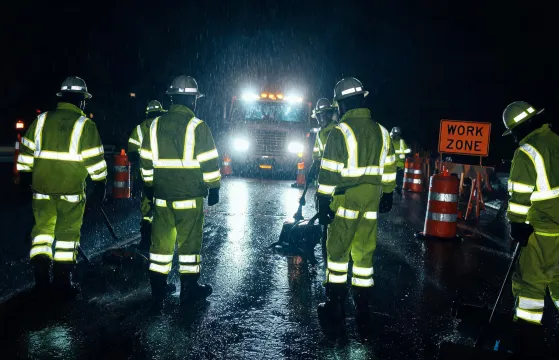
Weather protection with visibility tape packages and closures suited to energized or traffic-adjacent work.
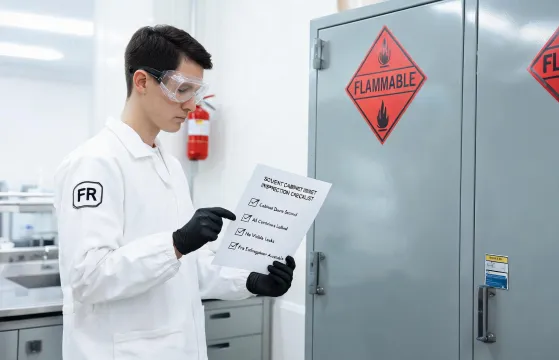
Facility programs for laboratories and pilot plants that need garment traceability and simple issue rules.
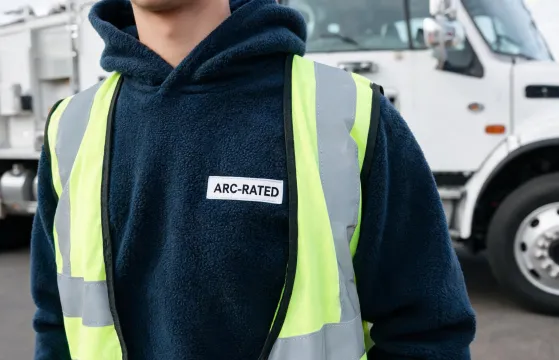
Warm mid-layers chosen around CAT 2 kit targets, mobility, and wearer adoption across shifts.
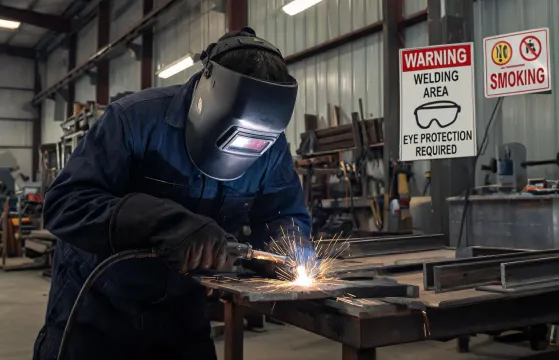
Garment choices for welding cells where spatter, heat, and wash cycles affect useful service planning.
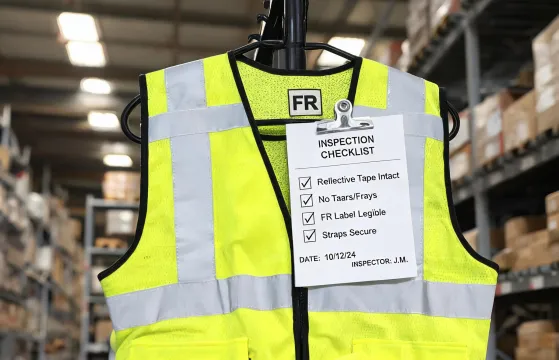
Overlay visibility for visitors, inspectors, and short-duration tasks that still need FR-compatible layers.
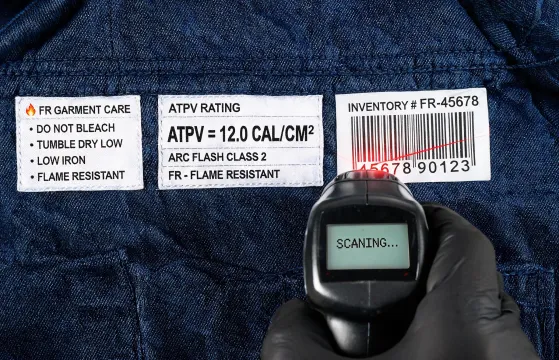
Support for label review, care guidance, lot references, and distributor records used during audits.
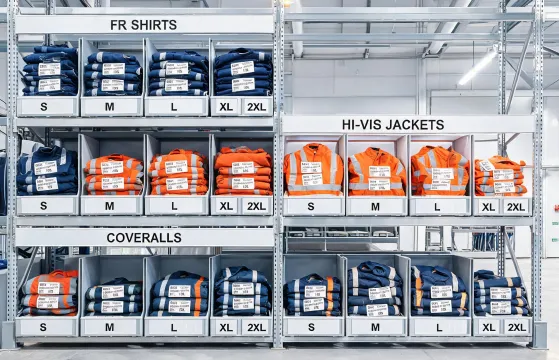
Rationalized size runs and reorder points for branches, storerooms, vending cabinets, and field kits.
Program sequence
Map tasks by arc exposure, flash fire potential, traffic visibility, weather, and wearer movement.
Translate NFPA 2112, NFPA 70E, ASTM F1506, and ANSI/ISEA 107 into garment selection rules.
Compare fabric weights, closure designs, pocket needs, label language, and size curves before launch.
Define core styles, reserved alternates, emergency replenishment, and distributor order codes.
Use fit feedback and care instructions to reduce avoidable substitution and laundering confusion.
Maintain datasheets, standard references, change logs, and replacement guidance for EHS review.
Specifier desk
Share ATPV targets, visibility class, laundering model, climate, and branch stock rules. Bulwark Protection will help structure a first-pass comparison for procurement and EHS review.